 言語
言語
Your injection-molded pump housing cracks after 800 hours at 150°C in a caustic media. The glass-filled PA66 you specified holds shape, but the surface lo...
続きを読む +
改質プラスチックペレットメーカー
-
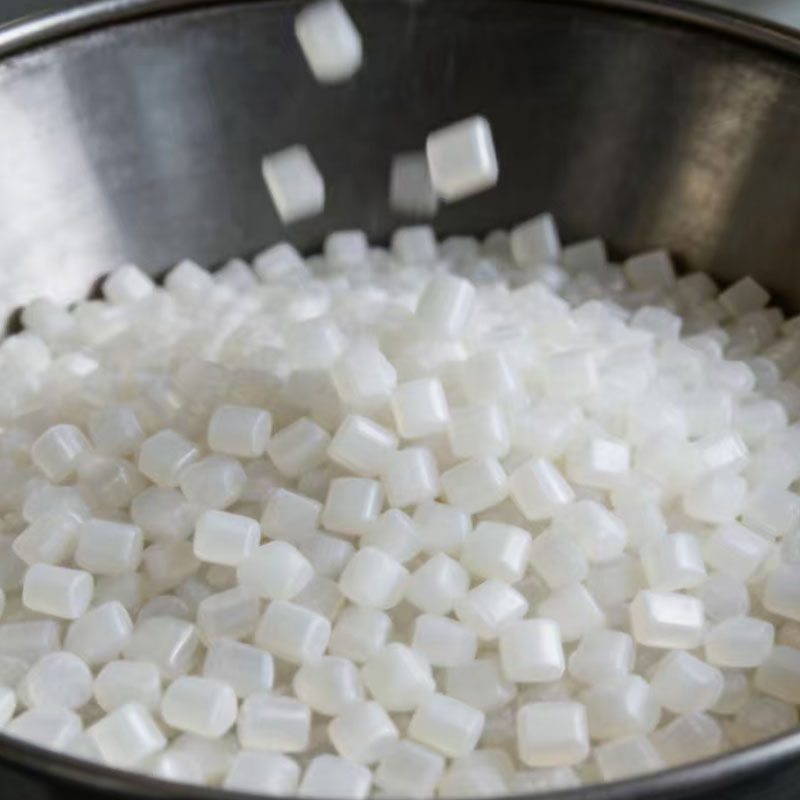 Zhejiang Lisu の PA66 プラスチック ペレットは、高い安全性、優れた電気性
 -
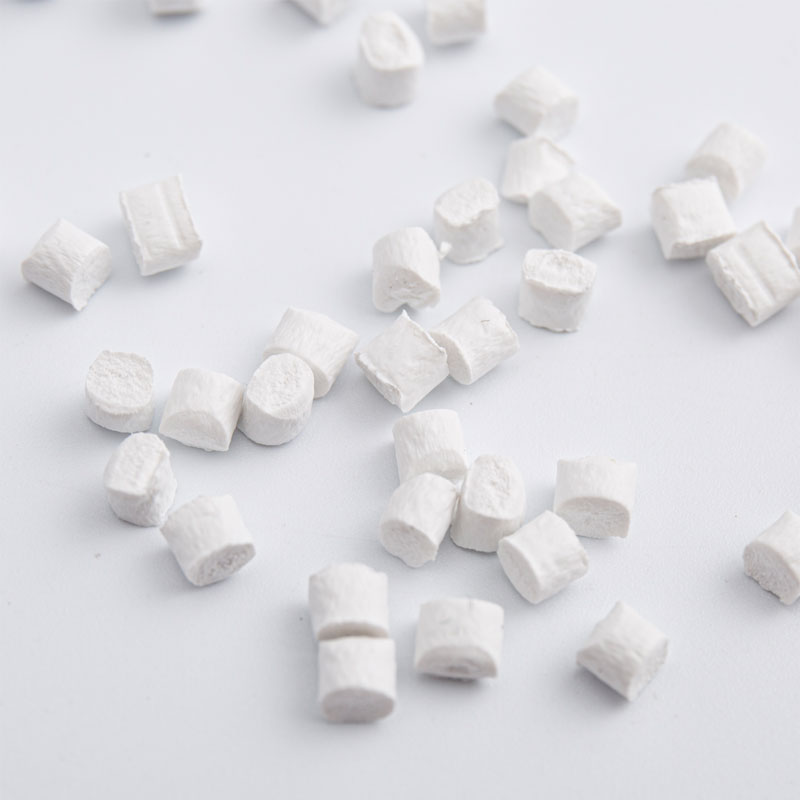 Zhejiang Lisu の浄水器フィルター ボトル用プラスチック ペレットは主に食
 -
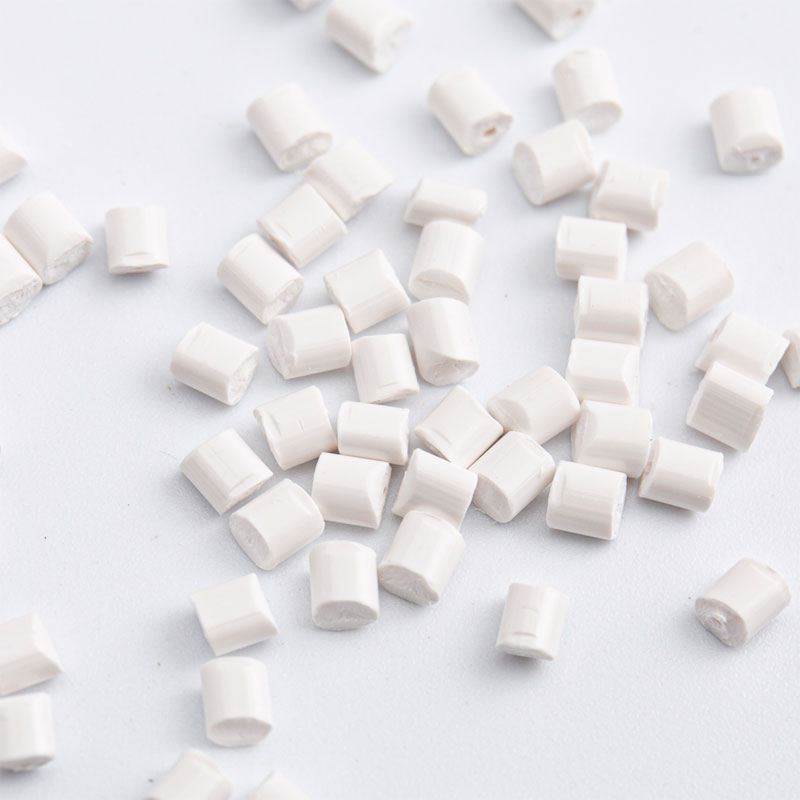 Zhejiang Lisu のウォーター ディスペンサー フロー プレート用 PP プラスチ
 -
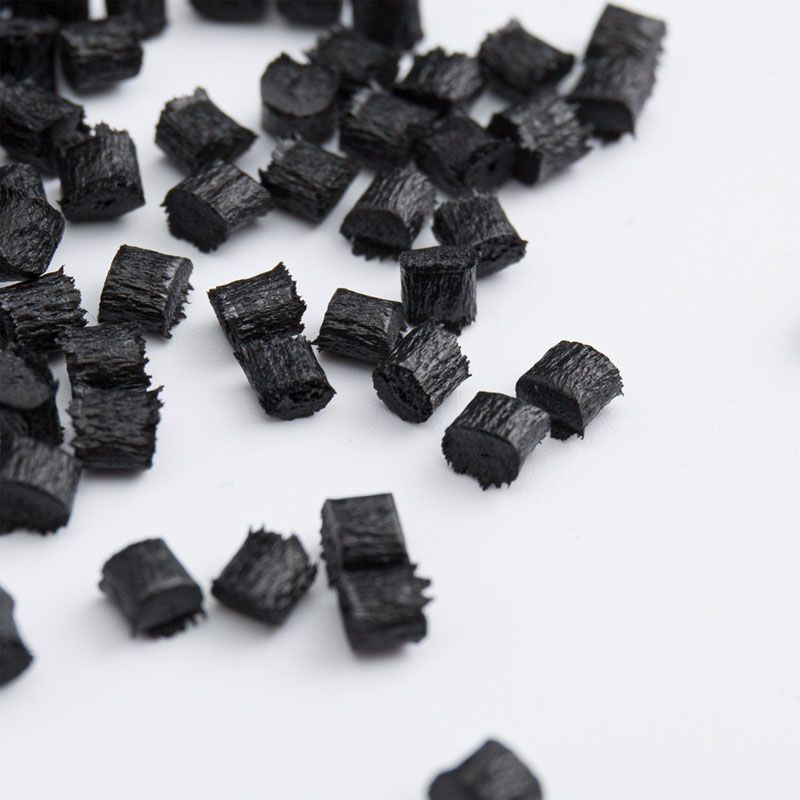 PP CF 改質プラスチック ペレット (炭素繊維強化ポリプロピレン) は、ポ
 -
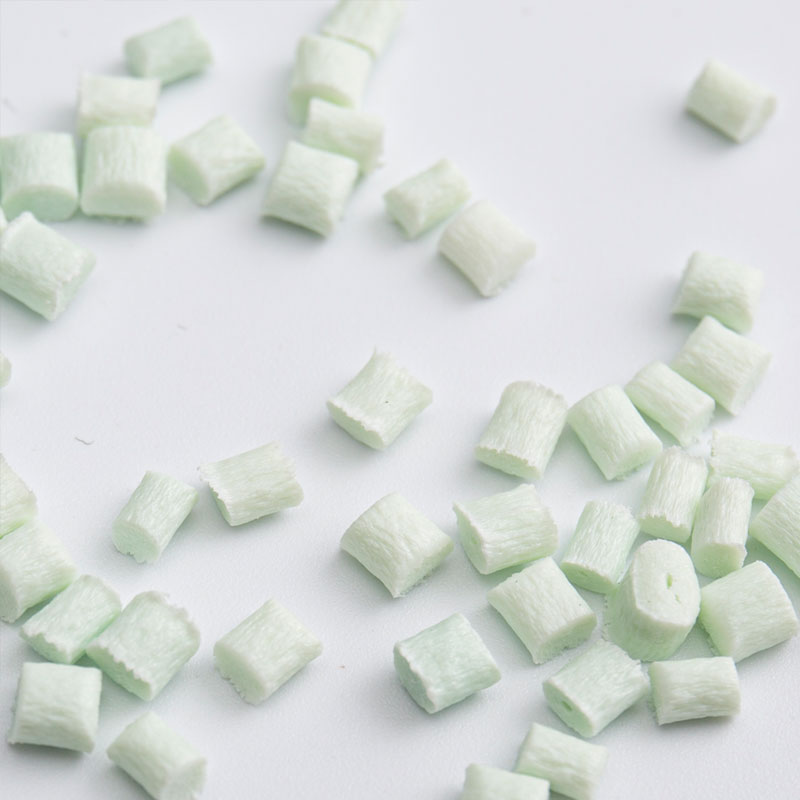 POM GF10 (10% ガラス繊維強化ポリオキシメチレン) は、10% ガラス繊維を添
 -
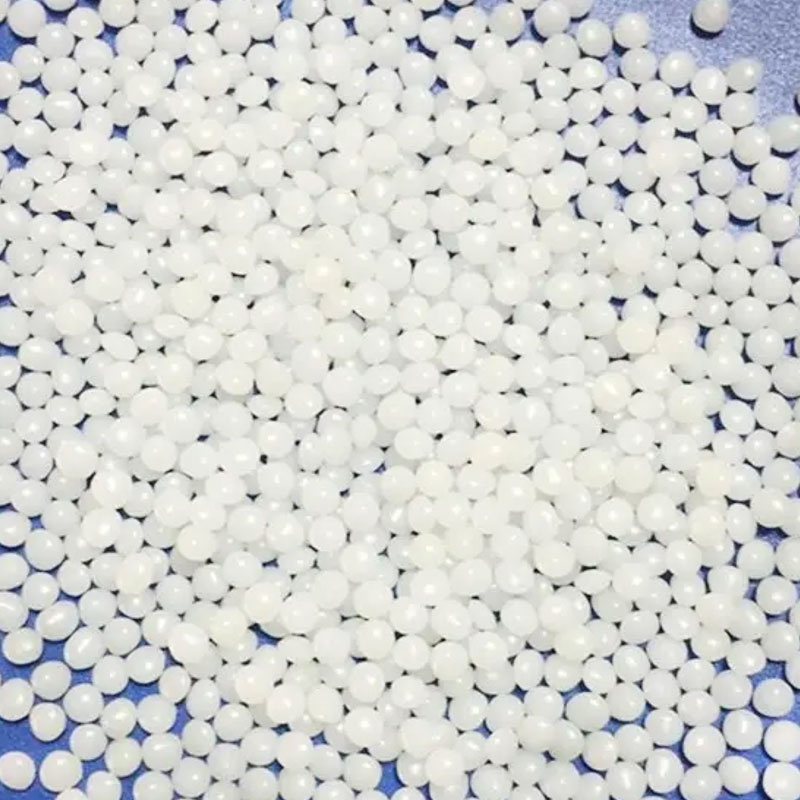 POM (ポリオキシメチレン、一般的にアセタールまたはデルリンとして知
 -
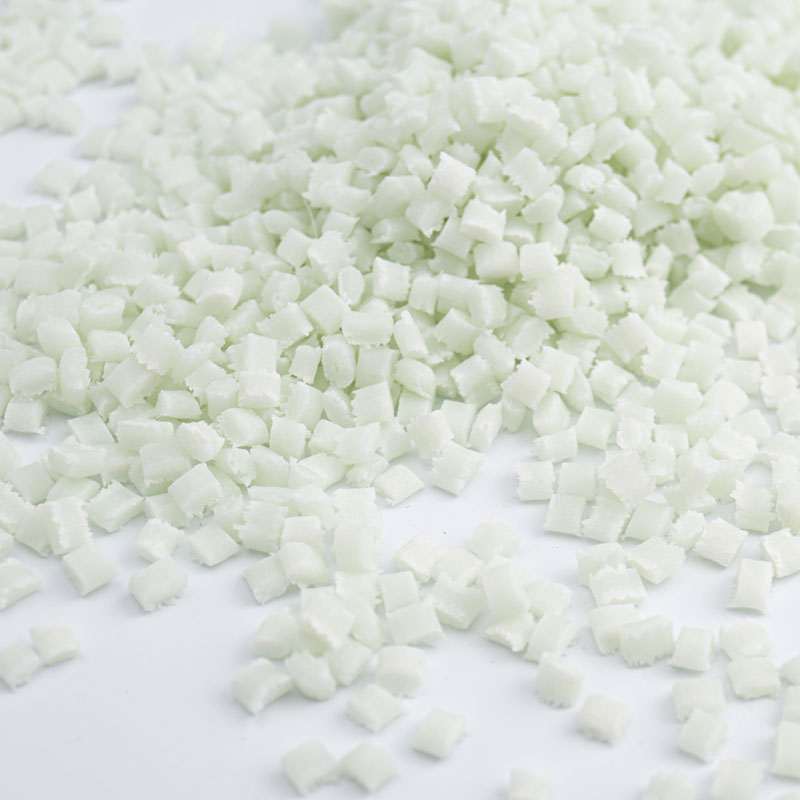 Lisu の PA6 GF30 素材は、30% ガラス繊維で強化された PA6 (ナイロン 6) 素材
 -
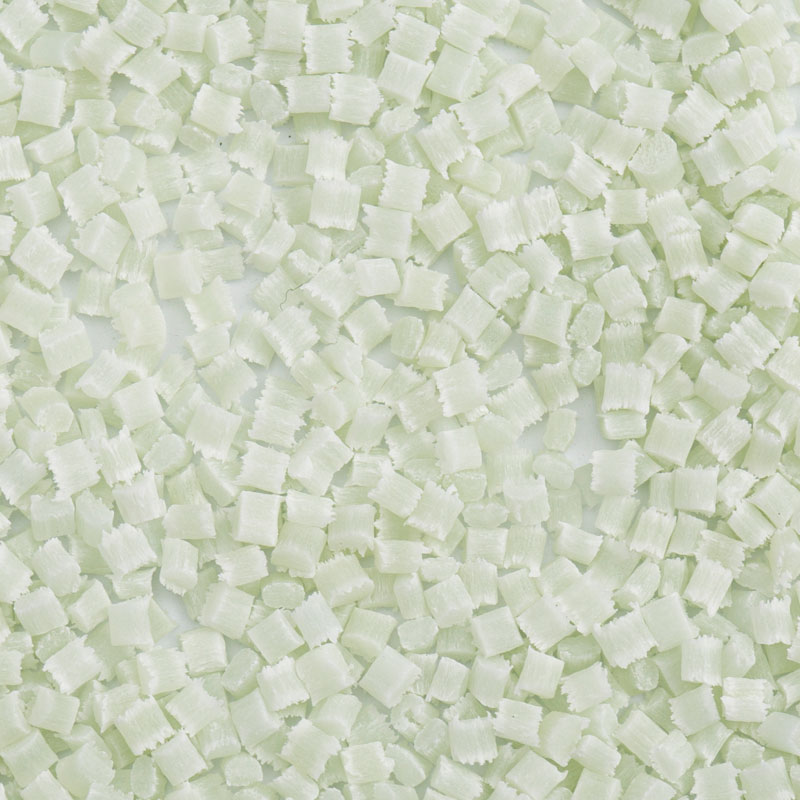 Lisu の PA66 GF50 プラスチック ペレットは、コア特性として 50% のガラス繊
 -
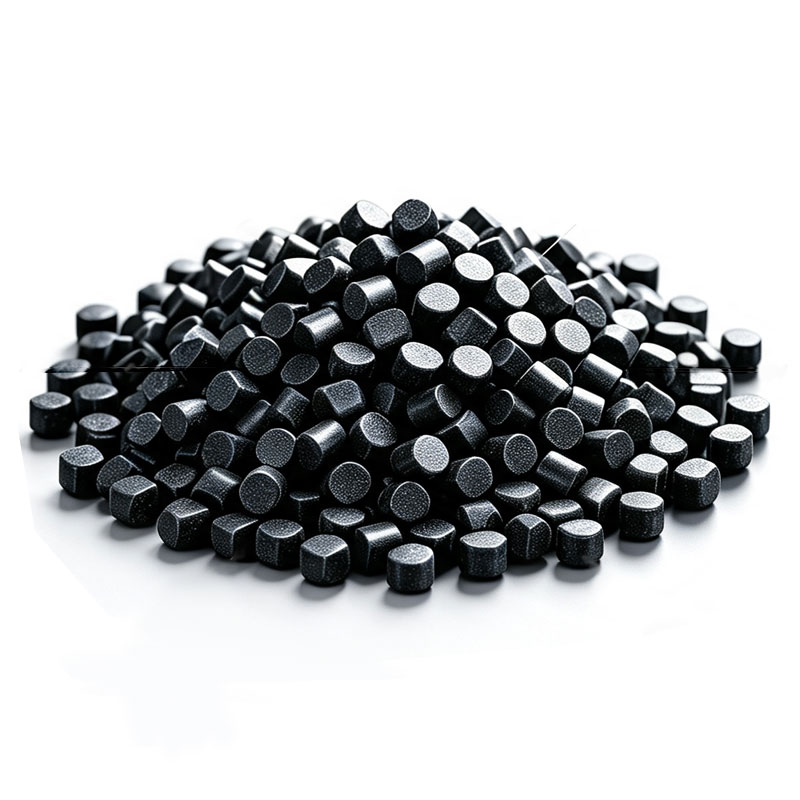 導電性 PA66 GF35 改質プラスチック ペレットは、Lisu Technology によって量産
 -
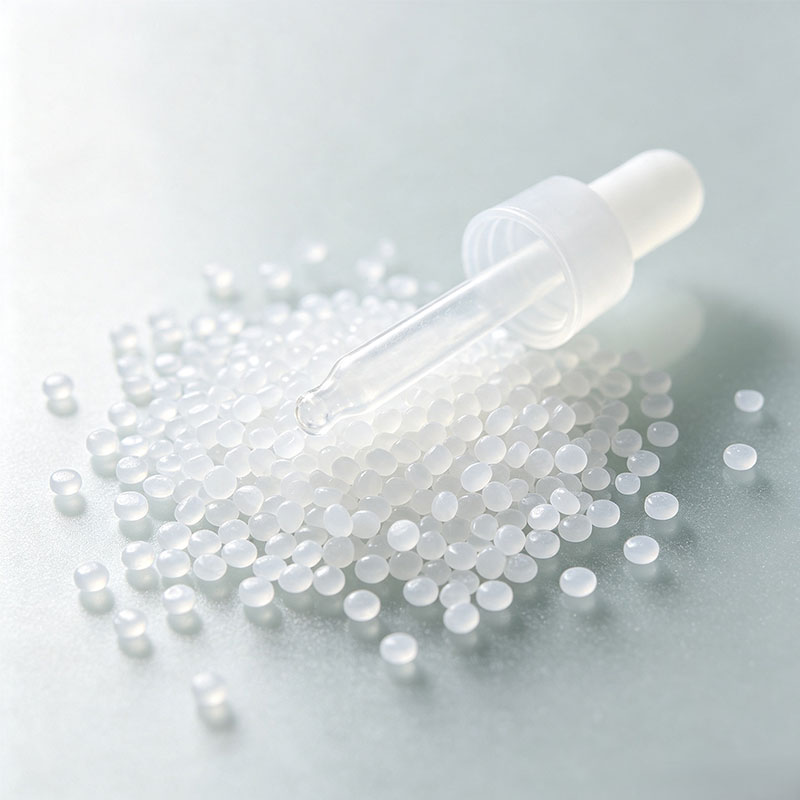 1. 製品概要 耐油性、耐オゾン性、強化添加剤を配合した高純度PP樹脂
改質プラスチックは、充填、強化、ブレンド、難燃性、強化、または機能的改質などのプロセスを通じて、汎用またはエンジニアリングプラスチック基材の物理的、機械的、および実用的特性を最適化およびアップグレードすることによって開発された高性能材料の一種です。科学的な配合と高度な改質技術により、改質プラスチックはさまざまな用途シナリオに合わせてカスタマイズでき、強度、耐熱性、耐衝撃性、難燃性、耐候性、寸法安定性の点で通常のプラスチックよりも大幅に優れています。
変性プラスチックは、自動車製造、エレクトロニクスおよび電気製品、家電製品のハウジング、建設資材、医療機器、産業機器、消費者製品に広く使用されており、製品の重量を効果的に削減し、生産コストを削減するだけでなく、製品の安全性と耐用年数も向上します。これらは、材料の軽量化、高性能、環境に優しい製造を実現するための重要なソリューションとして機能します。
その主な利点は次のとおりです。
多様な使用条件に合わせて性能をカスタマイズ
高負荷環境向けの強度と靭性のバランス
優れた耐熱性、耐薬品性
優れた難燃性と耐老化性
高い加工適応性と高い成形効率
変性プラスチックは徐々に従来の金属や通常のプラスチックに取って代わり、産業材料のアップグレードと持続可能な開発を推進する主要な材料の 1 つとなっています。
会社概要
Zhejiang Lisu Composite Materials Co., Ltd
浙江リース複合材料有限公司は2015年に設立され、国家ハイテク企業および浙江省科学技術革新企業です。私たちは 中国 改質プラスチックペレットメーカー および OEM/ODM 改質プラスチックペレット工場です。当社は高性能新素材の研究開発、生産、販売、サービスに特化し、より安全で快適、便利な人間の生活のための革新的な材料ソリューションを提供することに尽力しています。当社は総合的な実験試験能力を備え、PCR材料認証(GRS)、IATF16949品質マネジメントシステム認証、および各種材料CQC認証を取得しており、製品の品質とコンプライアンスを保証しています。私たちは様々な業界に安全で快適、便利な革新的な材料ソリューションを提供し、お客様の製品価値向上を支援することに専念しています。技術革新による持続可能な発展を推進し、環境に優しい社会の構築に向けて確固たる実践者です。人類と自然の調和のとれた共存に貢献し、より緑豊かな未来のために共に努力します。

カスタマイズ
これは改質プラスチック工場の中核事業です。特定の顧客ニーズに迅速に対応し、処方設計、小規模試験、パイロット試験から量産までのカスタマイズサービスを提供し、お客様の製品差別化を支援します。

低コスト
大規模工場は、基礎樹脂や添加剤の大量一括調達により強い交渉力を持ち、原材料コストを効果的に削減できます。

品質保証
これは改質プラスチックの生命線です。工場は厳格な原材料検査、自動精密計量、安定したスクリューせん断混合プロセス、および全工程オンラインモニタリングにより、各バッチ、さらには各袋の製品性能の高い一貫性を保証します。

生産能力
巨大な年間生産能力により、大規模顧客の長期的で安定した大量注文ニーズに対応し、生産能力のボトルネックによる生産計画への影響を防ぎます。
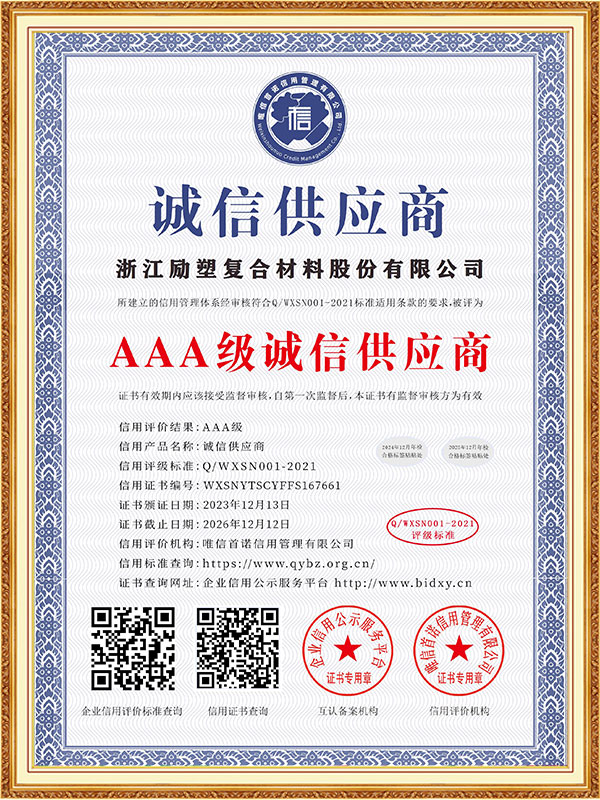
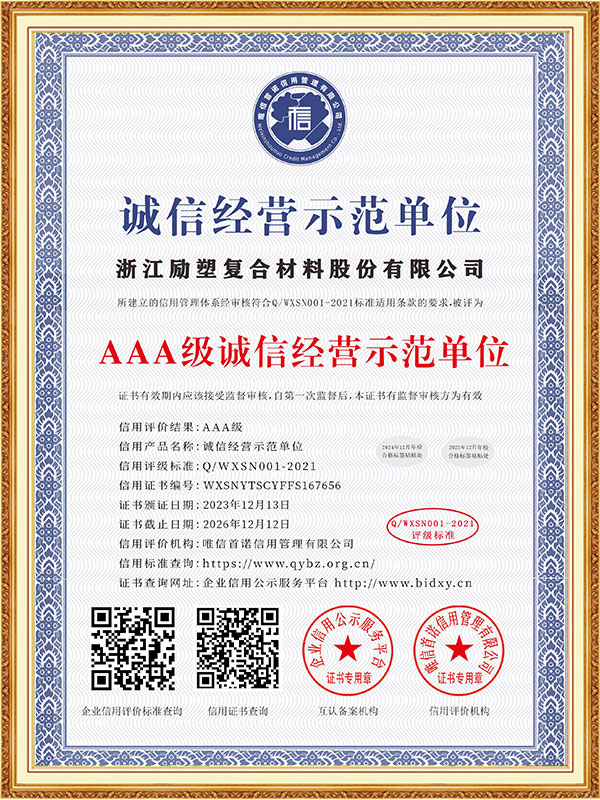
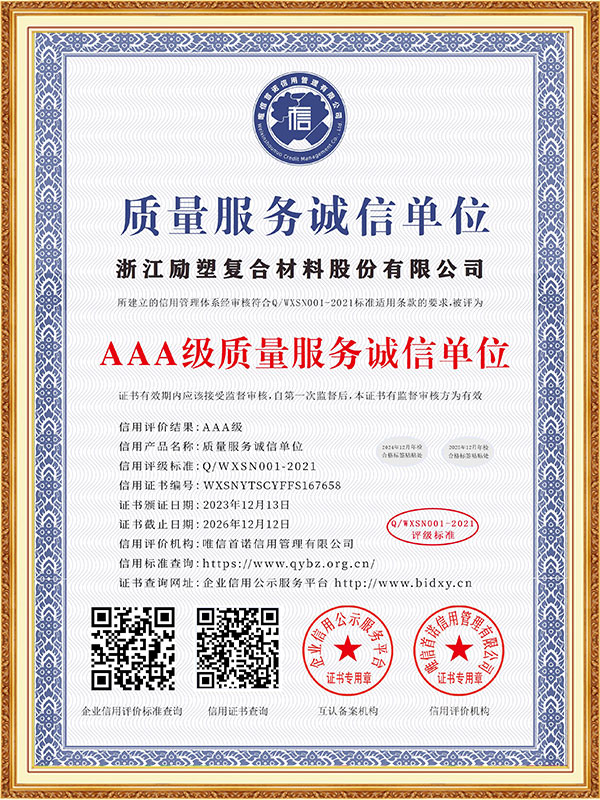
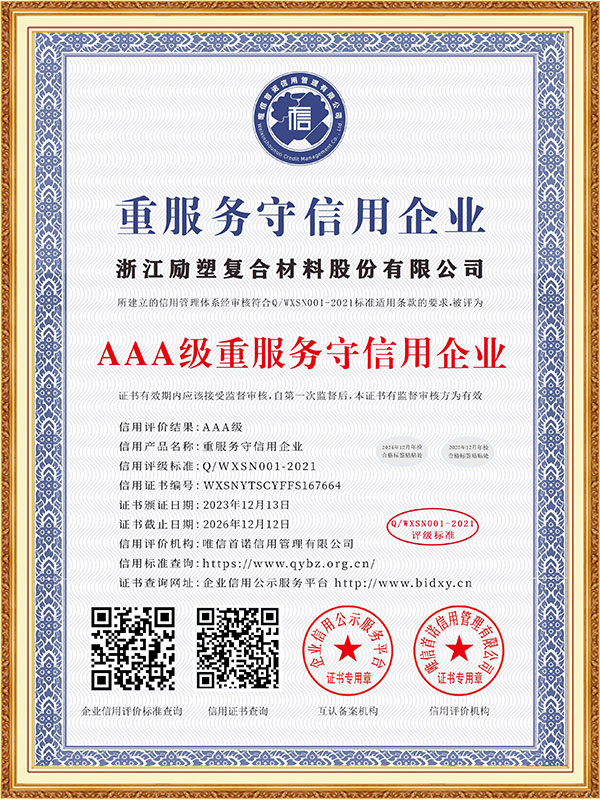
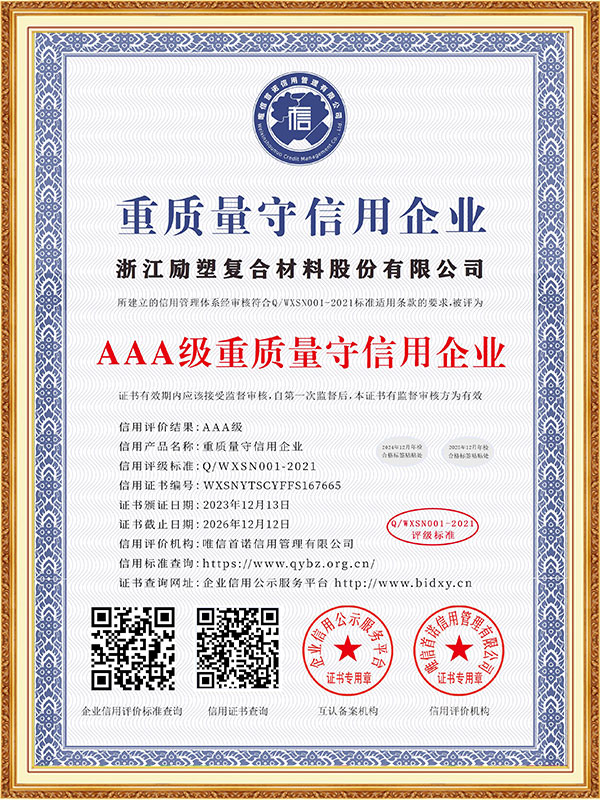
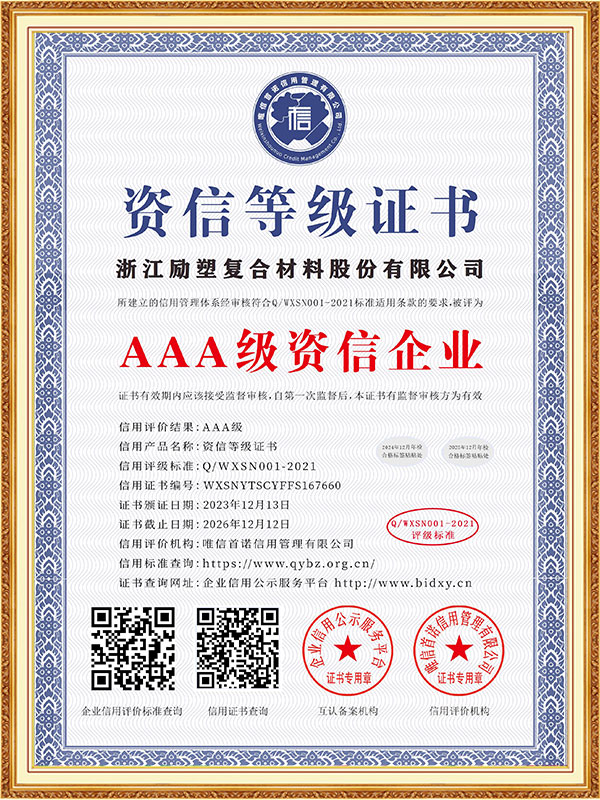
栄誉証明書
最新ニュース
-
-
自動車のトランスミッション部品を担当するエンジニアはよくあるジレンマに直面しています。プラスチック部品は 150°C の油にさらされても耐えられ、一定の負荷がかかった状態でもクリープに耐え、長年の使用にわたってその寸法を数十分の 1 ミリメートル以内に保たなければなりません。ほとんどのエンジニアリング熱可塑...
続きを読む + -
トランスミッション サンプは 150°C で数千時間稼働します。 EV のバッテリー コネクタは、急速充電中に温度が急上昇するセルから数センチメートル離れたところにあります。ポンプギヤは外部潤滑なしで金属シャフトに対して摺動します。こうした状況により、標準ナイロンは限界を超えており、改良 PPA プラスチッ...
続きを読む + -
射出成形業者は、5 年間の屋外保証が付いた透明なライト ガイドを見積もっています。選択した樹脂が黄変したり、ひび割れたり、薄壁のキャビティを充填できない場合、ジョブは失敗します。 PMMA 顆粒は、高い光透過率、良好な UV 耐性、および予測可能な注入挙動を兼ね備えているため、この問題を解決します。実際には、通常...
続きを読む + -
2026年8月10日、中国健康産業企業管理協会浄水産業チェーン支部会長の唐建興氏は代表団を率いて浙江リス複合材料有限公司を訪問し視察した。 代表団は新素材産業の発展状況について徹底的な調査を実施し、浄水産業における素材応用の革新と産業チェーンの共同アップグレードについて意見交換と指導を行った。訪問中は...
続きを読む +
メッセージフィードバック
変性プラスチック 業界知識
How do Modified Plastic Pellets differ from virgin plastic resins?
Introduction: Understanding the evolution from virgin resins to advanced materials
Virgin plastic resins are the fundamental polymer materials produced directly from petrochemical or bio-based feedstocks. They are manufactured through polymerization processes and supplied without further structural enhancement beyond basic stabilization. These materials provide standard mechanical and thermal performance and are widely used in general-purpose applications. However, as modern industries increasingly demand higher strength, improved heat resistance, enhanced safety performance, and longer service life, virgin resins often cannot independently meet these complex requirements.
This demand has led to the development of modified plastic pellets, which are engineered materials created by optimizing general-purpose or engineering plastic substrates through filling, reinforcement, blending, flame retardation, toughening, and functional modification. Compared with virgin resins, these materials are designed for targeted application scenarios. Their performance is not accidental but the result of controlled formulation and advanced compounding technology.
The difference between virgin plastic resins and modified polymer pellets is therefore not merely one of processing stage. It reflects a shift from standard raw material supply to customized performance engineering. This transformation enables industries to achieve lightweight design, enhanced safety, improved durability, and compliance with regulatory and environmental requirements.
Fundamental material differences between virgin plastic resins and modified plastic pellets
Virgin plastic resins consist of polymer chains with basic stabilizers and minimal additives. Their properties are largely determined by the intrinsic molecular structure of the polymer itself. While these materials offer predictable processing behavior, their mechanical strength, dimensional stability, and flame resistance are limited to the base resin’s characteristics.
In contrast, modified plastic pellets are composite systems. They integrate fillers, reinforcing fibers, impact modifiers, flame retardants, and functional additives into the polymer matrix. Through precise compounding and controlled dispersion, the final material achieves significantly enhanced performance compared to its original substrate.
The following table outlines key structural and functional differences:
| Aspect | Virgin plastic resins | Modified plastic pellets |
|---|---|---|
| Composition | Single polymer base with basic stabilizers | Polymer base with fillers, reinforcements, and functional additives |
| Mechanical strength | Standard level | Enhanced through glass fiber or mineral reinforcement |
| Heat resistance | Limited to base polymer properties | Improved through formulation optimization |
| Flame retardancy | Usually not flame resistant | Can meet specific flame-retardant standards |
| Dimensional stability | Moderate shrinkage and deformation risk | Improved dimensional stability and reduced warpage |
These differences illustrate that engineered plastic compounds are purpose-driven materials rather than generic raw polymers.
Performance customization and application adaptability
One of the most significant distinctions lies in performance customization. Virgin plastic resins are standardized materials supplied according to general specifications. While different grades exist, the flexibility for fine-tuned property adjustment is limited.
By contrast, modified plastic pellets can be tailored to meet highly specific operational conditions. Through scientific formulation design, manufacturers can balance strength and toughness, enhance chemical resistance, or optimize heat distortion temperature depending on end-use requirements.
Key customization capabilities include:
- Balancing rigidity and impact resistance for high-load automotive components.
- Improving heat resistance for electrical housings exposed to elevated temperatures.
- Enhancing flame retardancy to meet safety compliance in electronic devices.
- Optimizing weather resistance for outdoor construction materials.
This adaptability makes advanced modified resin pellets suitable for industries such as automotive manufacturing, electronics and electrical appliances, home appliance housings, construction materials, medical devices, industrial equipment, and consumer products. In many cases, they are gradually replacing metals and ordinary plastics due to their lightweight characteristics and design flexibility.
Processing behavior and manufacturing efficiency
Another critical difference involves processing performance. Virgin resins generally offer stable melt flow properties, but they may not provide the optimal balance between flowability and mechanical strength when complex geometries or thin-wall designs are required.
Through compounding and additive selection, modified plastic pellets can be engineered for improved molding performance. Controlled filler dispersion and optimized melt flow index enable higher molding efficiency, reduced cycle time, and lower defect rates.
From a production perspective, consistent quality control is essential. Zhejiang Lisu Composite Materials Co., Ltd, founded in 2015, is a national high-tech enterprise and a Zhejiang Science and Technology Innovation Enterprise specializing in high-performance new materials. The company emphasizes strict raw material inspection, automated precise batching, stable screw shearing and mixing processes, and full online monitoring. Such measures ensure high consistency in product performance for every batch, even every bag.
This level of process control highlights a fundamental difference from simple resin production. The reliability of customized plastic compounds depends not only on formulation but also on advanced manufacturing discipline.
Cost structure and supply chain considerations
At first glance, virgin plastic resins may appear more economical because they involve fewer processing steps. However, cost evaluation must consider total system performance and lifecycle value.
While modified plastic pellets involve additional compounding and formulation expenses, they often reduce overall product cost by enabling material lightweighting, minimizing secondary processing, and improving product durability. In automotive or appliance applications, weight reduction can decrease energy consumption, while enhanced strength reduces part thickness requirements.
Large-scale production capacity also plays a significant role. Zhejiang Lisu Composite Materials Co., Ltd possesses substantial annual production capacity capable of meeting long-term, stable, and large-scale orders without creating supply bottlenecks. Large factories benefit from centralized procurement of base resins and additives, which strengthens bargaining power and helps reduce raw material costs.
Therefore, the economic advantage of engineered polymer pellets should be assessed from a comprehensive manufacturing and lifecycle perspective rather than purely from raw material price.
Quality assurance and regulatory compliance
Virgin plastic resins are typically produced under standardized petrochemical industry controls. However, when materials must meet automotive, electrical, or medical standards, additional testing and certification are necessary.
For modified plastic pellets, quality assurance becomes even more critical because performance depends on formulation precision and dispersion uniformity. Zhejiang Lisu Composite Materials Co., Ltd has established comprehensive experimental testing capabilities and obtained certifications such as PCR material certification GRS, IATF16949 quality management system certification, and various material CQC certificates. These certifications ensure compliance, traceability, and performance reliability.
In regulated industries, such as automotive manufacturing and electronics, this level of quality management is essential. It guarantees that each batch of performance-enhanced plastic pellets meets safety, flame-retardant, and durability standards required by customers.
Environmental performance and sustainable development
Sustainability considerations further distinguish modified materials from virgin resins. While virgin plastics rely primarily on new polymer feedstock, modified plastic pellets can incorporate recycled content, bio-based additives, or environmentally optimized flame retardants.
Through material innovation, manufacturers can improve product longevity, reduce replacement frequency, and decrease overall environmental impact. Lightweighting contributes to lower transportation emissions, while improved durability reduces material waste.
Zhejiang Lisu Composite Materials Co., Ltd is committed to providing innovative material solutions for a safer, more comfortable, and convenient human life. By focusing on sustainable formulation design and certified PCR materials, the company supports green manufacturing strategies across multiple industries.
This alignment with sustainable development trends reinforces the role of high-performance modified resin pellets as key materials driving industrial upgrades.
From raw material to solution provider
The transition from virgin resin supplier to modified material manufacturer represents a shift in industrial responsibility. Virgin resin producers deliver base polymers. In contrast, companies specializing in modified plastic pellets act as solution providers.
Zhejiang Lisu Composite Materials Co., Ltd offers customized services from formula design, small-scale testing, pilot testing to mass production. This integrated service capability enables customers to achieve product differentiation and performance optimization.
This approach demonstrates that the essential difference between virgin resins and application-specific plastic compounds lies in value creation. Instead of supplying a standardized material, modified material manufacturers collaborate with customers to solve engineering challenges.
Conclusion
The difference between virgin plastic resins and modified plastic pellets extends beyond composition. It reflects a transformation from standardized polymer supply to performance-driven material engineering. Through filling, reinforcement, blending, flame retardation, toughening, and functional modification, these advanced materials achieve enhanced strength, heat resistance, impact resistance, flame retardancy, weather resistance, and dimensional stability.
They enable lightweight design, improve safety, extend service life, and support sustainable manufacturing. Supported by rigorous quality management systems and scalable production capacity, manufacturers such as Zhejiang Lisu Composite Materials Co., Ltd play a critical role in ensuring that every batch meets strict performance and regulatory standards.
As industries continue to demand higher efficiency and environmental responsibility, custom-engineered plastic pellets will increasingly replace ordinary plastics and even certain metals, becoming essential materials for modern manufacturing.
FAQ
What are modified plastic pellets primarily used for?
Modified plastic pellets are widely used in automotive components, electronic housings, home appliances, construction materials, industrial equipment, and consumer products. Their customizable performance allows them to meet high-strength, flame-retardant, or heat-resistant requirements.
Are modified plastic pellets more expensive than virgin resins?
They may have higher initial material costs due to compounding and additives. However, they often reduce total production costs by improving durability, enabling lightweight design, and minimizing processing defects.
Can modified plastic pellets include recycled content?
Yes. Many manufacturers incorporate PCR materials or sustainable additives to support environmental compliance and green manufacturing objectives.
How is quality consistency ensured in modified plastic pellets?
Consistency is maintained through strict raw material inspection, automated batching systems, controlled compounding processes, and comprehensive testing under certified quality management systems.
Do modified plastic pellets replace metal materials?
In many applications, they serve as lightweight alternatives to metals, especially where corrosion resistance, weight reduction, and design flexibility are required.
オンラインメッセージ!
お問い合わせ
-
 +86-133 2583 3102
-
 +86 573-84991930
-
 [email protected]
-
 浙江省嘉興市平湖市草橋街九里亭大道1889号6号館南側
つながる

